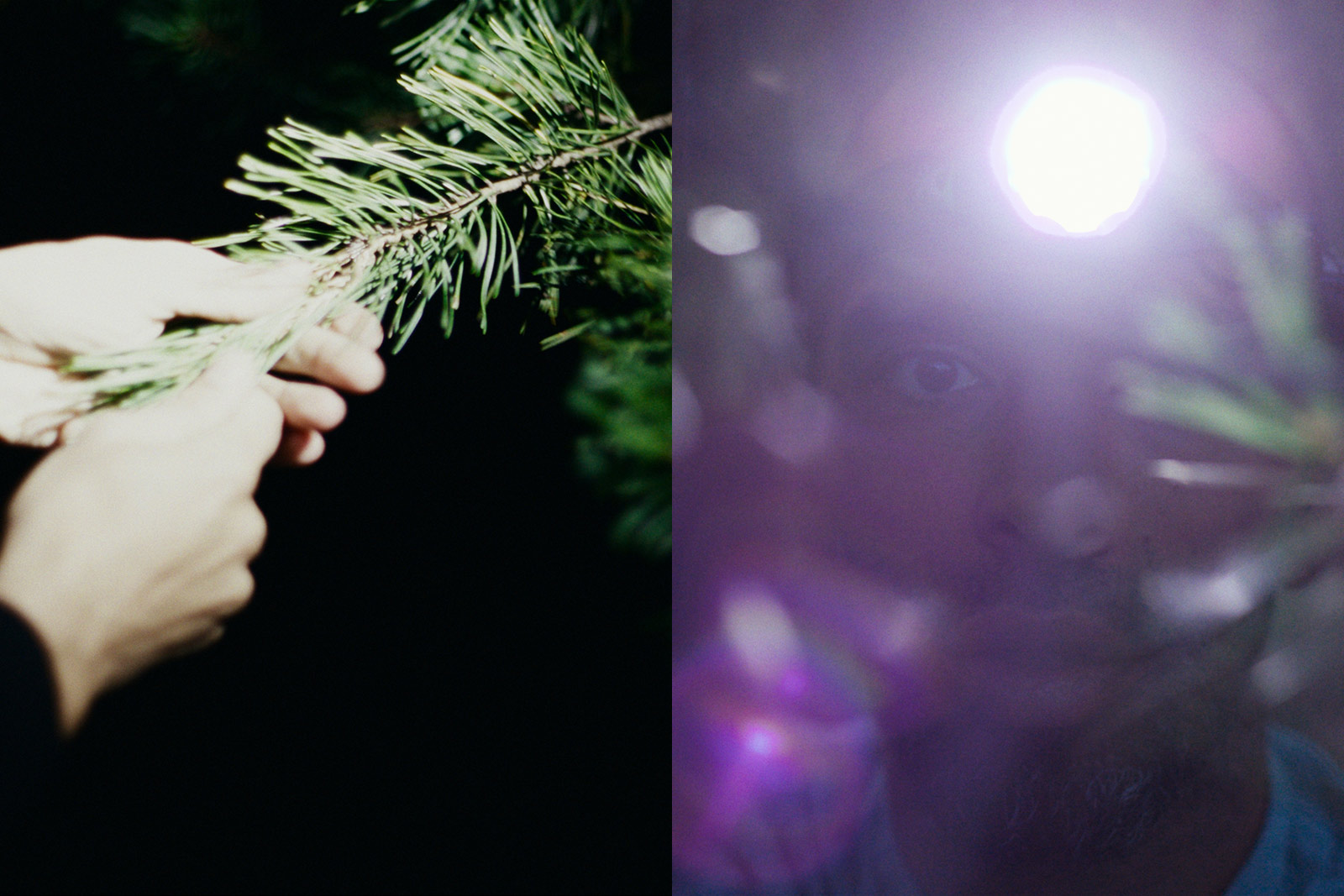
Green Belt
An art documentary about “contaminated landscapes” and the ways in which territories are marked and controlled through vegetation. Through weaponised species like pines and eucalyptus, the project investigates the politics of planting and speculatively reimagines these forests as agents of care, solidarity, and resistance against colonial violence. →
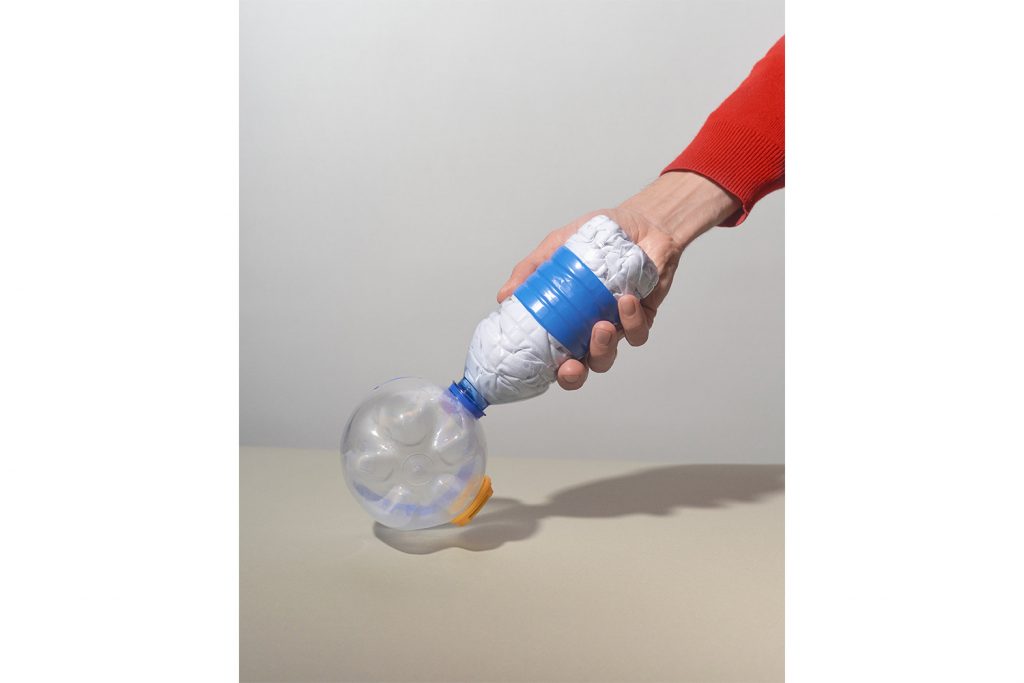
Combat Breathing
Every day, tear gas canisters are fired somewhere in the world. The first line of defence against the gas is to wear a breathing mask. Protesters usually do not have access to the right equipment and are forced to make their own gas masks from materials available to them – plastic water bottles, soda cans, old T-shirts. This is a grassroots, consistent upcycling against toxicity of the state and systemic oppression. →
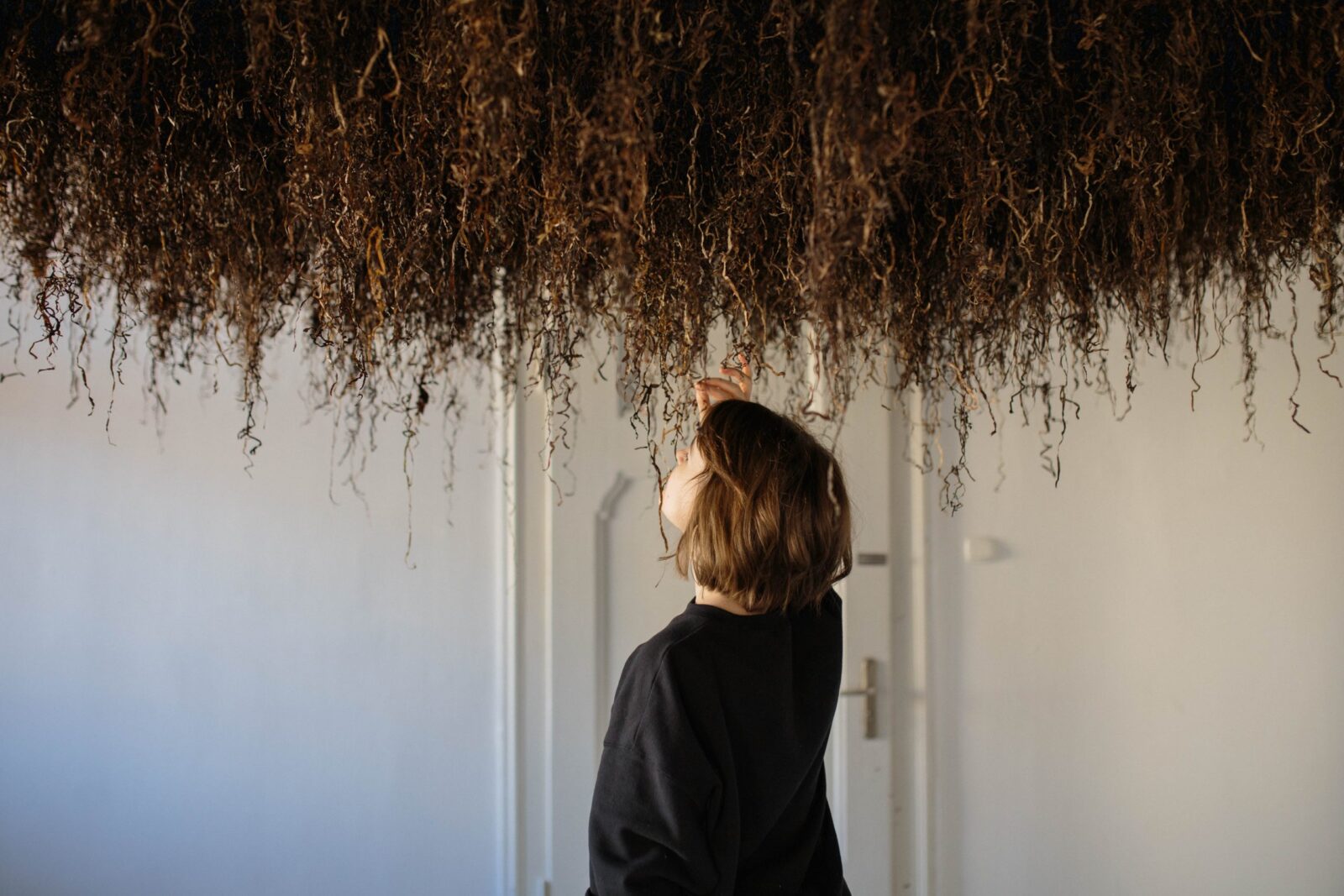
Walking through underwater meadows
Rooted in the history of the Psychiatric Hospital in Rybnik, the immersive olfactory installation "Walking through underwater meadows" reflects on how scent might offer space for healing and quiet forms of connection within an environment shaped by isolation and institutional routines. →
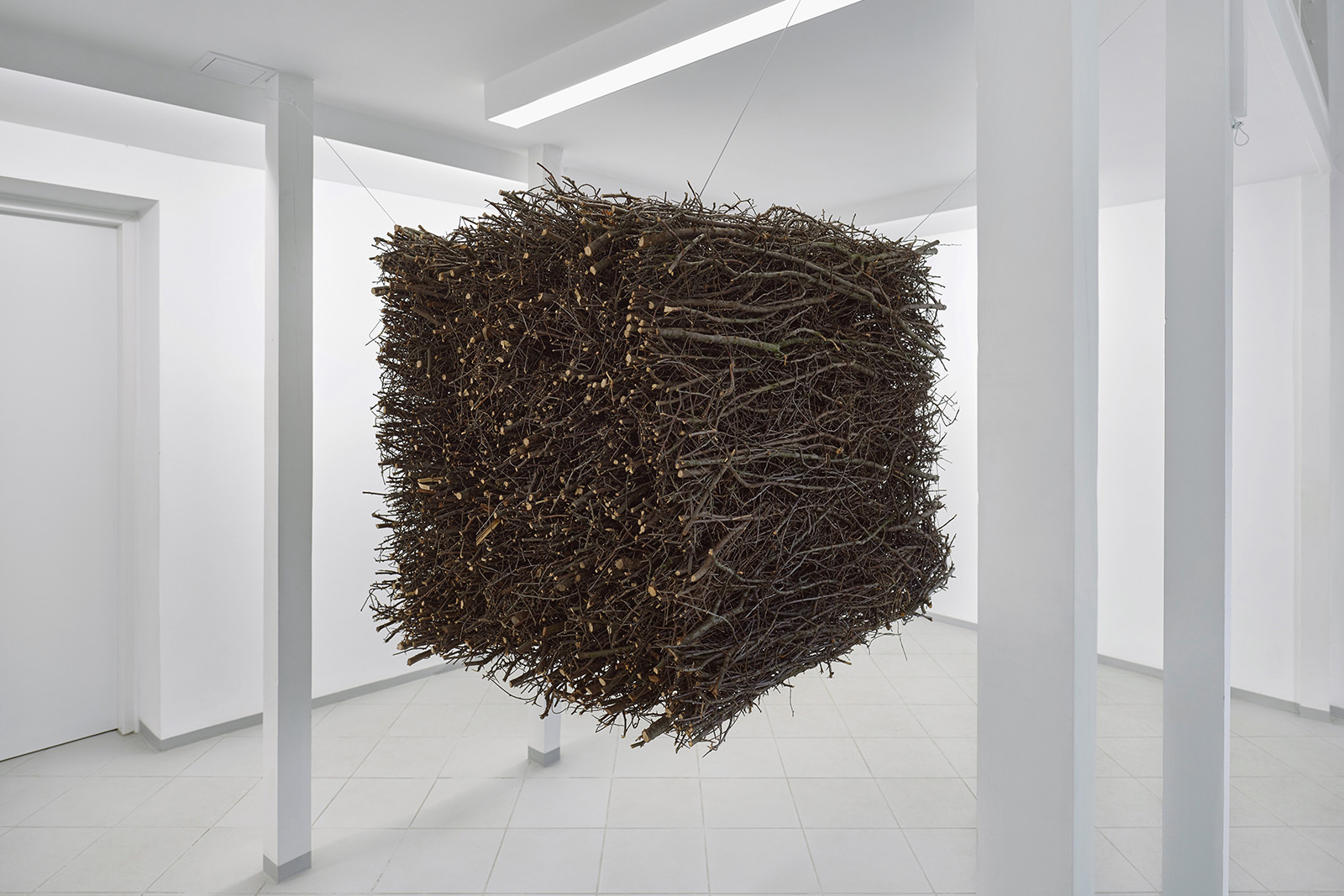
Distillates
The political and the intimate are most strongly intertwined with the senses, especially the sense of smell, around which the ‘Distillates’ project is centred. Together with local partners, Karolina Grzywnowicz produces medicinal essential oils from plants used as a camouflage and colonisation tool. →
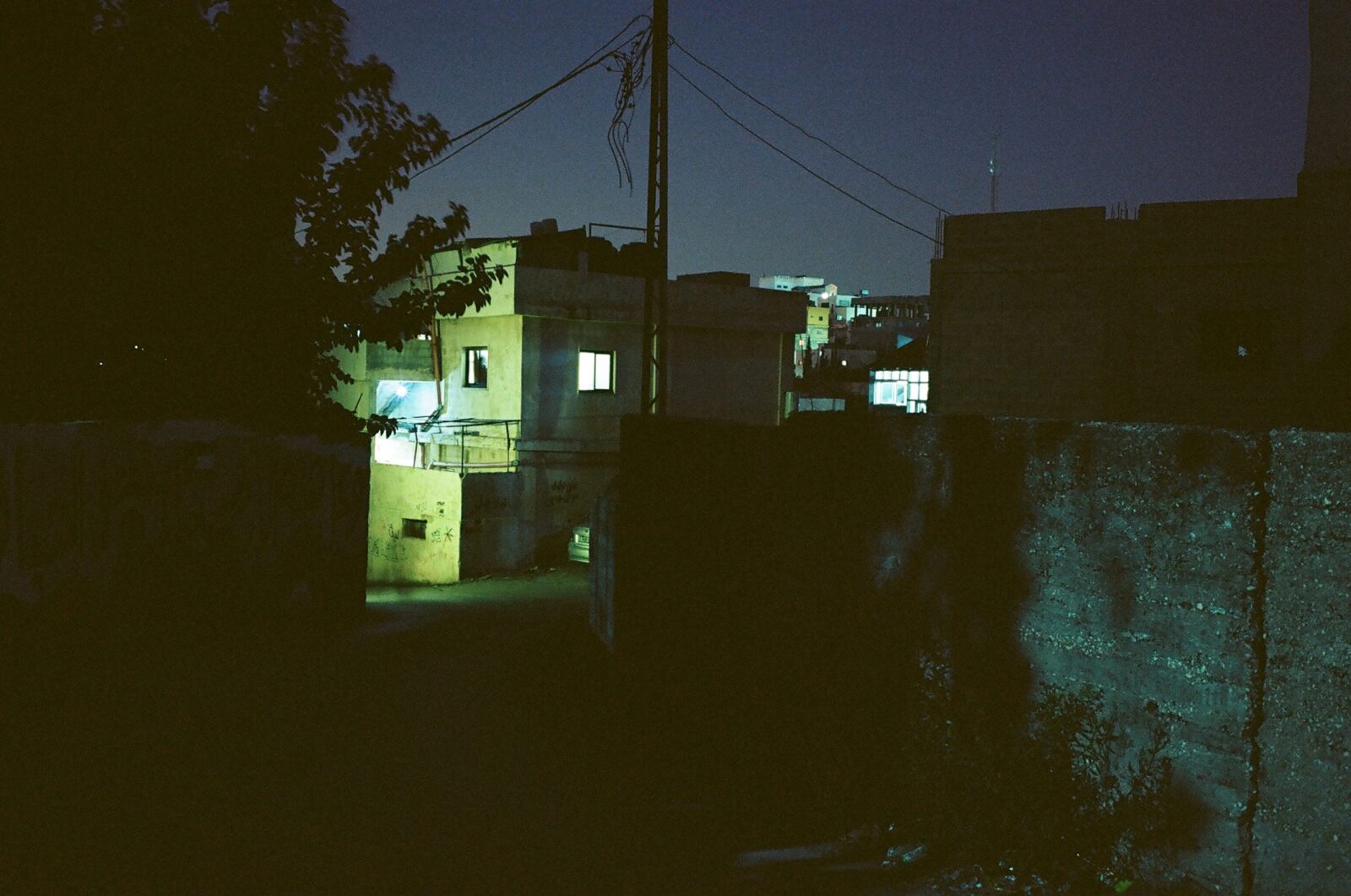
Bedtime
These songs come from the very eye of the storm. Aida, Dheisheh, Fawwar, al-Arroub, Balata, Jalazone, Qalandiya – those are the Palestinian camps where they have been recorded. In those places, Karolina Grzywnowicz has recorded lullabies sung by residents (usually women) in spite of two techniques of power: cultural uprooting and sleep deprivation. Quiet and tender, these songs are also acts of subversion and resistance for which one can get punished. →
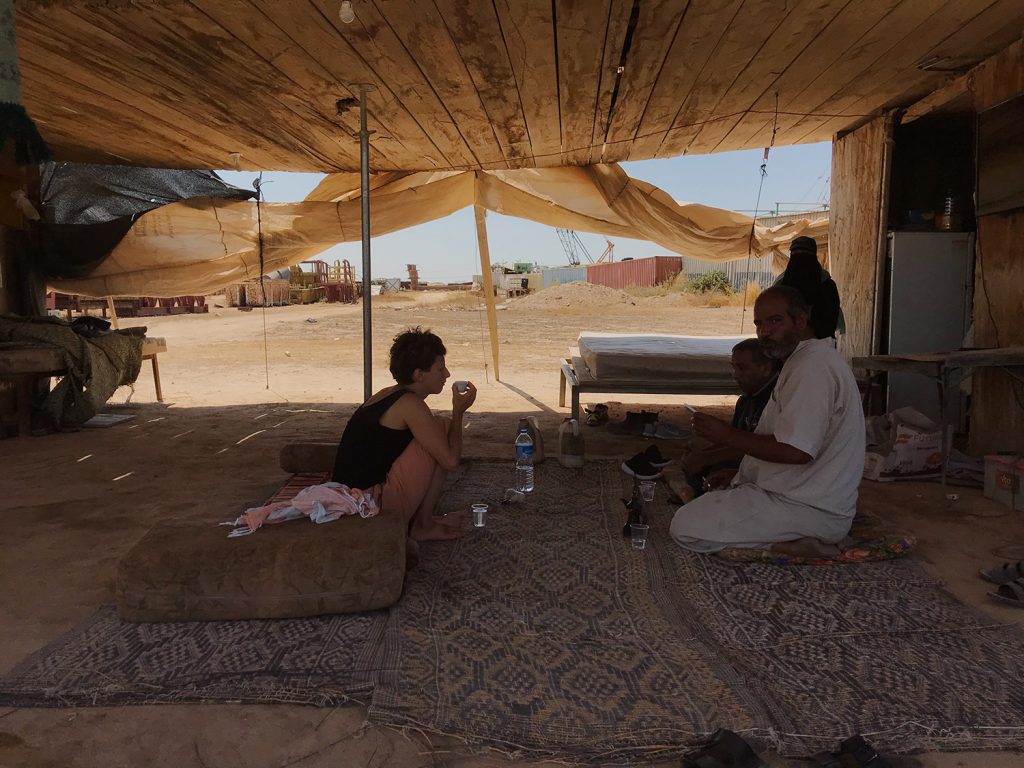
Every song knows its home
An affective sound archive of displacement. This long-term project gathers songs sung by refugees during their journeys. These songs preserve suppressed memories, echo belonging, transmit cultural knowledge, and often serve as acts of resistance. →
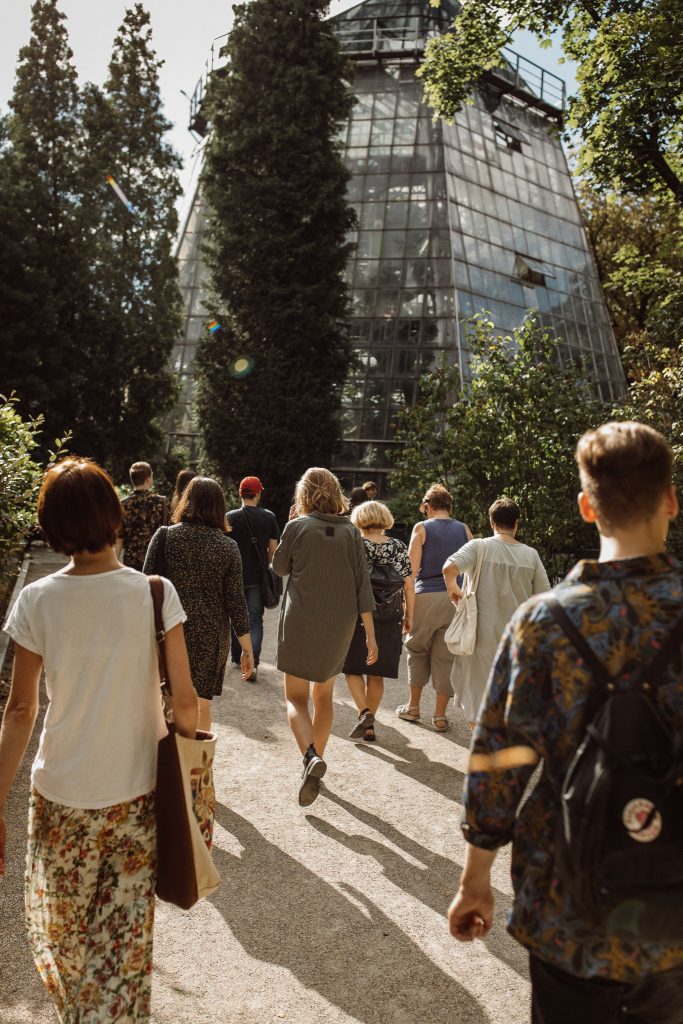
Peripheral Garden
An artistic intervention conducted by Karolina Grzywnowicz in the Botanic Garden took a form of a counterfactual, alternative guided tour. It was the artist’s response to the colonial structures of organising knowledge and exhibiting nature that she observed in the garden. →
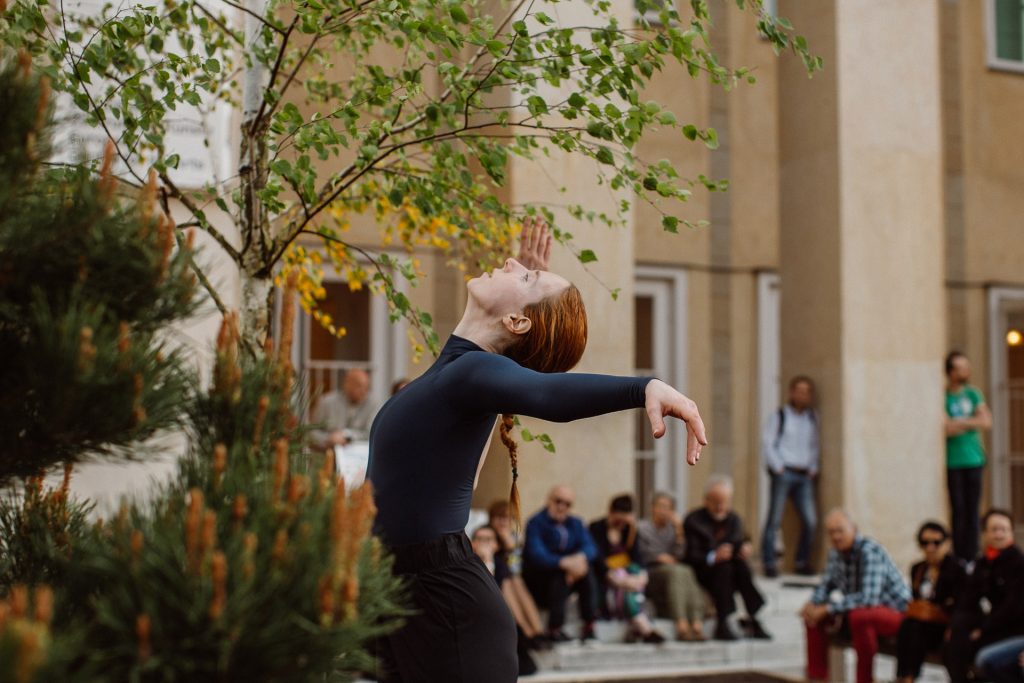
Second Nature
This pleasant, fragrant installation, inviting people to spend time in it, only after a while reveals its hidden lower layer. The garden-installation is entirely composed of plants that were the subject of Nazi practices, in which nature was used as a camouflage, raw material and an involuntary ally. →
Still Life
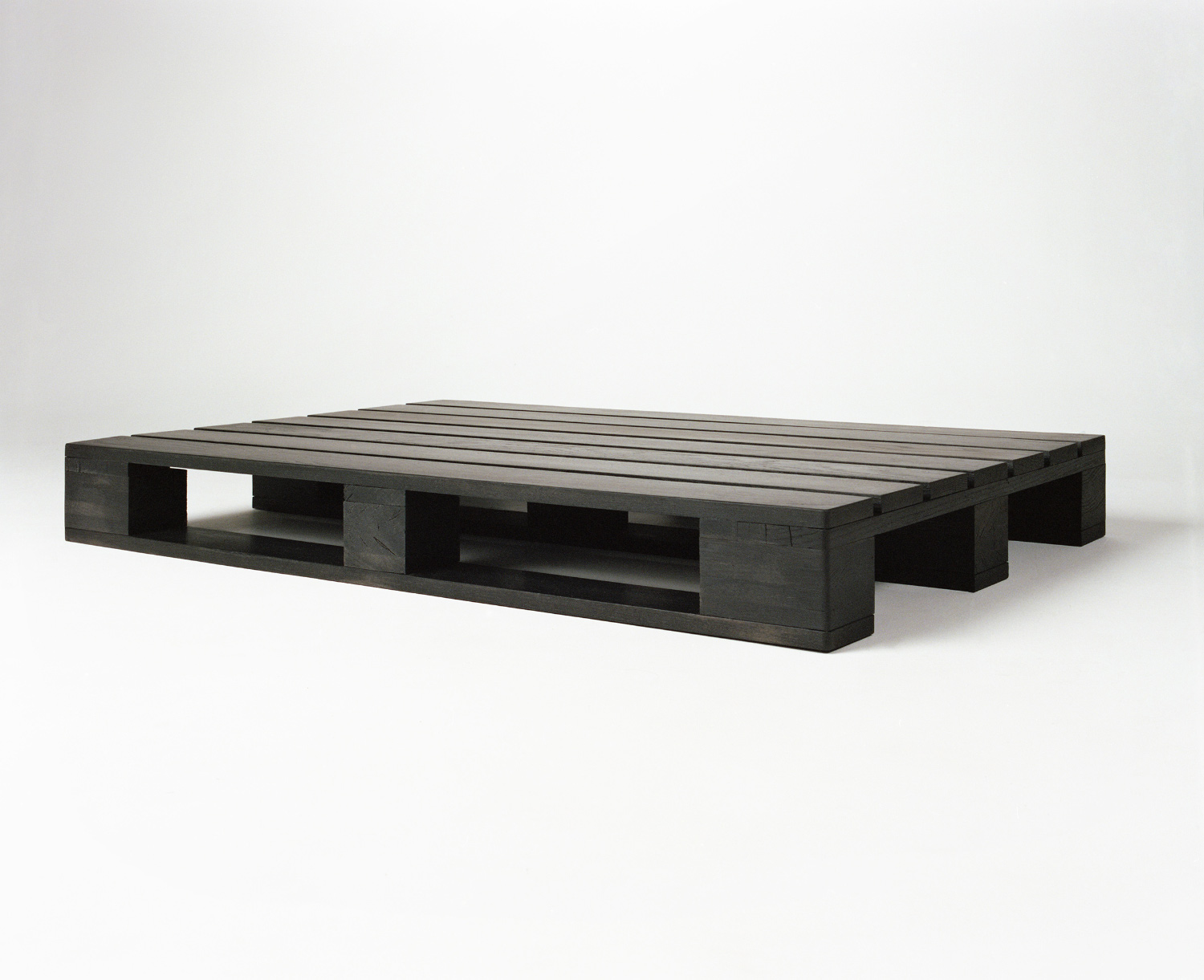
The sculpture in a form of euro-pallet is made from the most luxurious and expensive european wood – black oak. It gets its dark colour from being soaked in water for hundreds of years. The pallet is made out of the certified wood that was lying under water for more than 1350 years. →
Weeds
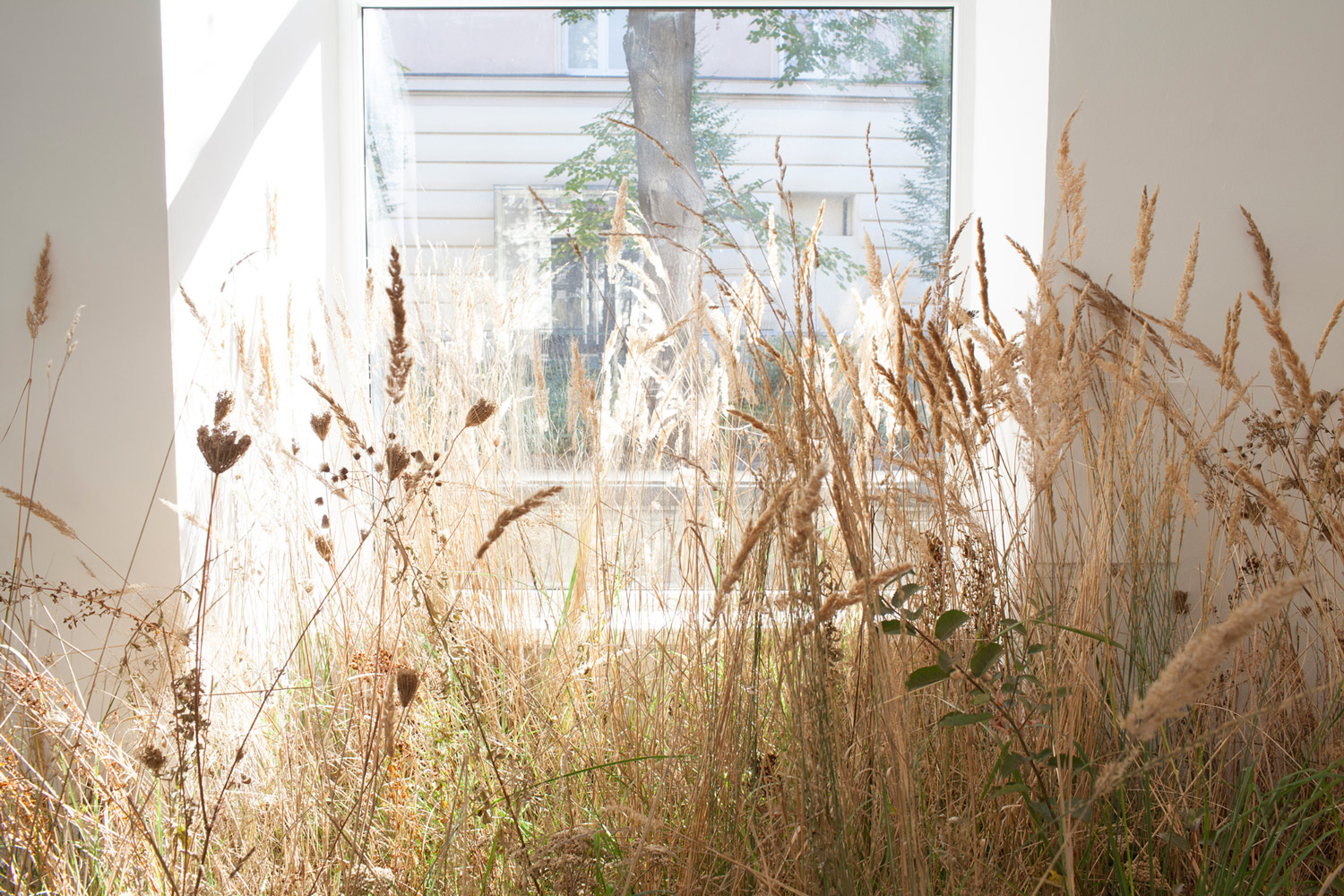
A project dedicated to a specific set of plants that act as a unique record of social and political history. Found in areas affected by forced displacement, these species continue to grow, overtaking space and serving as a permanent reminder of the human presence. →
Voids. A walk
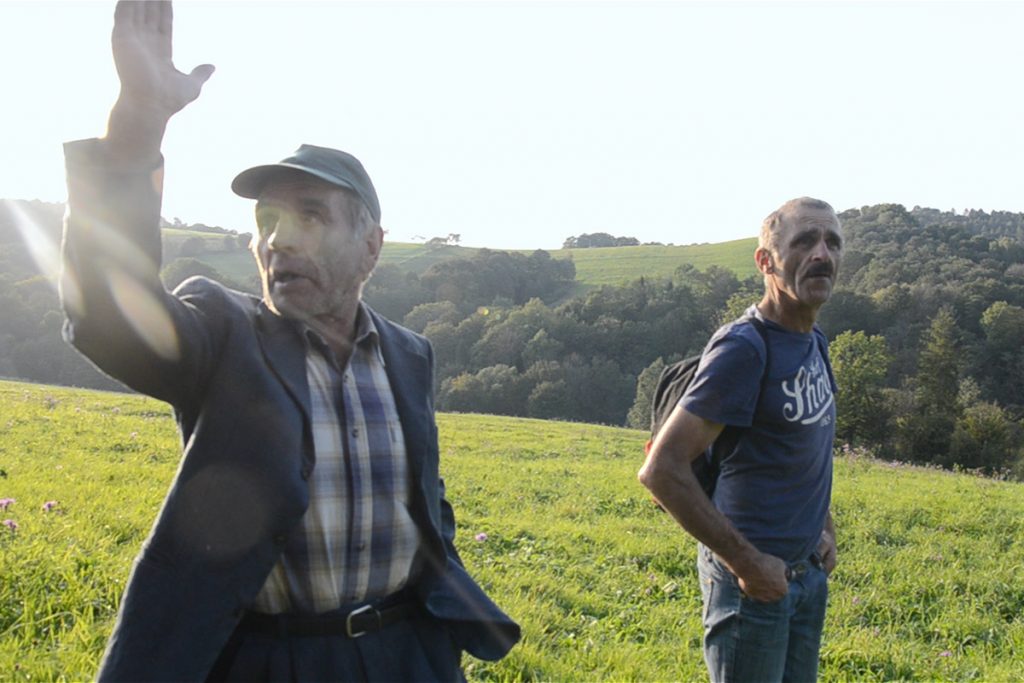
An intervention in a nonplace of memory — a site identified in trauma theory as one affected by violence and repression — took the form of a guided walk to a depopulated village, long shunned by local residents. A ritualised act, an attempt to break existing taboos and demystify this space by reintroducing human presence into an area contaminated with death and suffering. →